
US-Brazil Trade in 2026: What’s Changing for Exporters
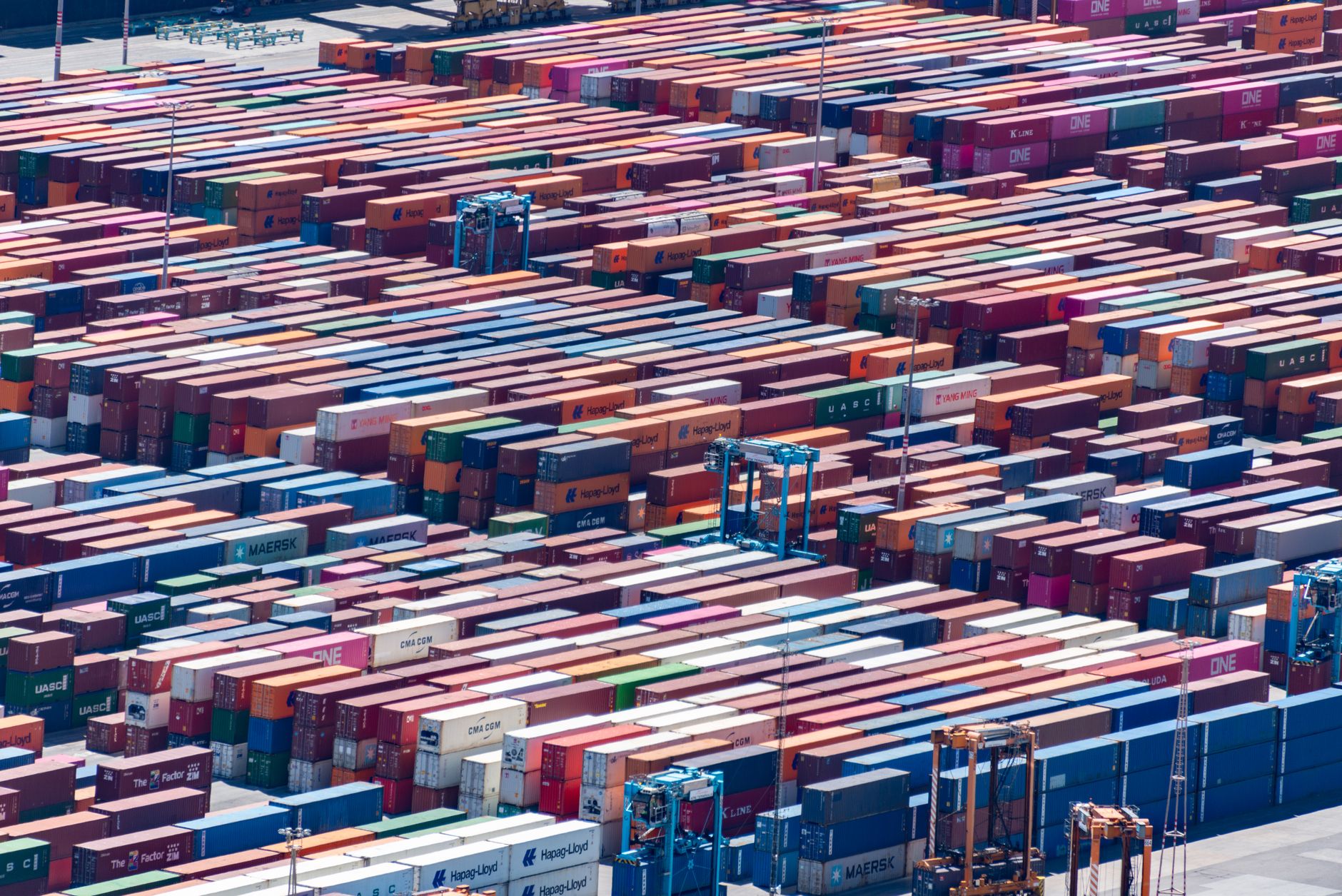
What is changing for US exporters in 2026 is less a single new rule than a shift in posture: more US manufacturers are seriously evaluating Brazil, even as the market’s underlying access requirements remain as demanding as they have always been.
- Global supply chain realignment, including US-China trade tensions and years of talk about diversification and friend-shoring, is pushing more US manufacturers to look at markets outside their traditional trade lanes, and Brazil, as Latin America’s largest economy, is part of that conversation.
- Brazil’s import system has historically been more layered and protective than open markets like intra-USMCA trade, with import taxes stacked at the federal and state level, which is why market entry needs more structural preparation than exporters used to simpler markets expect.
- Currency movement in the Brazilian real is a known, real variable in landed cost planning for any USD-priced export deal into Brazil, worth building into deal structure rather than ignoring.
- Mercosur’s external trade posture and its negotiations with other blocs are still evolving, multi-year processes, not a settled situation an exporter should wait on.
- None of this changes the real gate a deal has to pass through: import licensing, tax modeling, certification, and operational execution readiness on the Brazilian side.
Why US manufacturers are looking at Brazil in 2026
For much of the past decade, many US manufacturers built their international sales strategy around a small set of familiar markets: Canada, Mexico, sometimes the EU, and a handful of English-speaking economies where trade lanes were simple and well understood. That default is being questioned. Tensions in the US-China trade relationship, tariff volatility on Chinese-origin goods, and years of conversation about supply chain diversification and friend-shoring have pushed procurement and sales teams alike to look at a wider set of markets, both to source from and to sell into. Brazil keeps coming up in that conversation, not because it is new, but because it is hard to ignore. It is the largest economy in Latin America, with a manufacturing and industrial base that still imports a meaningful share of the equipment, components, and specialty materials it needs. For a US exporter mapping out where the next stage of growth might come from, Brazil sits high on almost every list of markets worth a serious look in 2026, provided the market entry groundwork gets done first.
That said, being part of the conversation is not the same as being an easy market. Brazil showing up on more strategy decks does not mean the operational reality of selling there has gotten simpler. If anything, the renewed interest is exposing how many US exporters evaluate Brazil the way they would evaluate Canada or the UK: as a market where, once a buyer is interested and a price is agreed, the rest is logistics. That assumption is where most of the friction in a US-Brazil deal actually starts.
Is Brazil’s market as open as it looks?
Brazil is not a closed market, but it is not a lightly regulated one either. Compared with the intra-USMCA trade many US manufacturers are used to, where a shipment to Canada or Mexico moves through a relatively thin layer of paperwork, Brazil’s import system is built on multiple, stacked layers: federal import tax, a separate federal tax on industrialized products, state-level tax that varies depending on where the buyer is registered, plus additional social contribution taxes layered on top. None of this is unusual by global standards, many large economies run complex import tax structures, but it is a meaningfully different starting point than the trade lanes many US exporters have built their export process around.
This is a structural fact about the market, not a policy headline, and it does not move much year to year regardless of what is being negotiated at the diplomatic level. It is also exactly why market entry into Brazil takes more preparation than exporters coming from simpler markets tend to expect. A quotation that looks competitive on paper can become uncompetitive, or simply undeliverable, once the buyer works through the full landed cost and the compliance requirements on their side.
Stalled deals
Send us the buyer who never came back.
They liked the product, asked for a quotation, then went quiet. It is almost never the price: it is whether they can legally and predictably receive the goods.
No cost, no commitment.
Currency and macro volatility: a real planning variable
Every US exporter pricing a deal in dollars for a Brazilian buyer is, whether they think about it explicitly or not, also pricing in a currency variable. The Brazilian real moves against the dollar over the course of a normal sales cycle, let alone over the life of a longer supply agreement. We are not going to quote a specific exchange rate range here, in part because it is genuinely not useful to fix one in a piece meant to stay relevant beyond the week it is published, and in part because it is not the exporter’s job to forecast Brazilian macro conditions.
What is the exporter’s job, or at least worth doing before a deal gets too far along, is folding currency movement into a proper landed cost model and the commercial structure of the agreement: how pricing is set, how often it is revisited, and who absorbs what if the real moves meaningfully between quotation and delivery. Buyers who import regularly already think this way. Buyers who are newer to importing sometimes do not, and a currency swing that was never discussed upfront can turn into a renegotiation, or a canceled order, months into what looked like a settled deal.
Where do Mercosur negotiations actually stand?
Brazil’s external trade posture is shaped in part by its membership in Mercosur, the South American trade bloc it shares with Argentina, Paraguay, and Uruguay, among others. Mercosur negotiates a shared external tariff structure and has spent years in various stages of negotiation with other blocs and countries over broader trade arrangements. Those negotiations are real, but they are also slow, multi-year processes that have gone through more than one round of near-agreement without fully closing, and it would not be accurate, or useful to a US exporter making a near-term decision, to describe any of it as settled.
The practical implication for a US manufacturer is not to wait for a comprehensive deal that resolves every open question before entering the market. Companies have been exporting to Brazil successfully for decades under the trade framework that already exists, negotiating and shipping deal by deal, buyer by buyer. Mercosur’s broader posture is backdrop, worth being aware of, but it is rarely the variable that determines whether a specific deal between a specific US supplier and a specific Brazilian buyer closes.
What actually determines whether a deal succeeds?
Here is the pattern Guelcos sees most consistently, regardless of what the macro headlines are doing in a given year: the deals that close are the ones where someone on the Brazilian side has done the operational homework, and the deals that stall are the ones where nobody has. A favorable geopolitical tailwind does not license an unlicensed importer. A friendlier trade headline does not model a buyer’s landed cost for them. Diversification pressure on the US side does not certify a product for the Brazilian market on its own.
The buyer has to hold an active import authorization, has to be able to model the full landed cost including the tax layers described above, has to confirm whether the product clears INMETRO or ANVISA certification, and has to be operationally ready to run the shipping and customs process end to end. Those four things are true in a year when the trade relationship is making headlines and in a year when it is not. That is the practical takeaway for a US exporter evaluating Brazil in 2026: treat the macro conversation as context for why the market is worth a look, not as a signal about whether any specific deal will actually go through. That still comes down to execution readiness on the ground.
Message us on WhatsApp“The macro conversation tells you why a market is worth a look. It never tells you whether a specific buyer can actually receive the shipment.”
Guelcos, from client conversations with US exporters entering Brazil
Frequently Asked Questions
Is there a US-Brazil free trade agreement?
Not a comprehensive one covering the full range of goods the way USMCA does between the US, Canada, and Mexico. US-Brazil trade happens under a more general framework, which is part of why Brazil’s import tax structure applies fully to most US-origin goods rather than being reduced by a bilateral deal.
How does Mercosur affect a US exporter?
Mercosur shapes Brazil’s external tariff posture and its negotiating position with other trade blocs, but it does not change the deal-by-deal reality of exporting to a specific Brazilian buyer. Import licensing, tax modeling, and certification requirements apply regardless of where Mercosur’s broader negotiations currently stand.
Should I wait for trade policy to stabilize before entering Brazil?
We would not recommend it. Companies have exported successfully to Brazil for decades under a trade framework that is always, to some degree, in motion. Waiting for full stability tends to mean waiting indefinitely, while the operational requirements that actually determine whether a deal closes do not change much year to year.
What is the single most common reason a promising US-Brazil deal stalls?
In our experience, it is rarely price. It is far more often whether the Brazilian buyer currently holds an active import authorization and can model the full landed cost, including the Brazilian tax layers, before committing to an order.
Will new tariffs make exporting to Brazil more expensive?
We do not speculate on specific rates or policy changes we cannot verify, and neither should your pricing model. The more reliable approach is modeling landed cost against the current, confirmed rules for a specific product and buyer, and updating that model as anything actually changes.
Leave a Reply