
Sourcing and due diligence
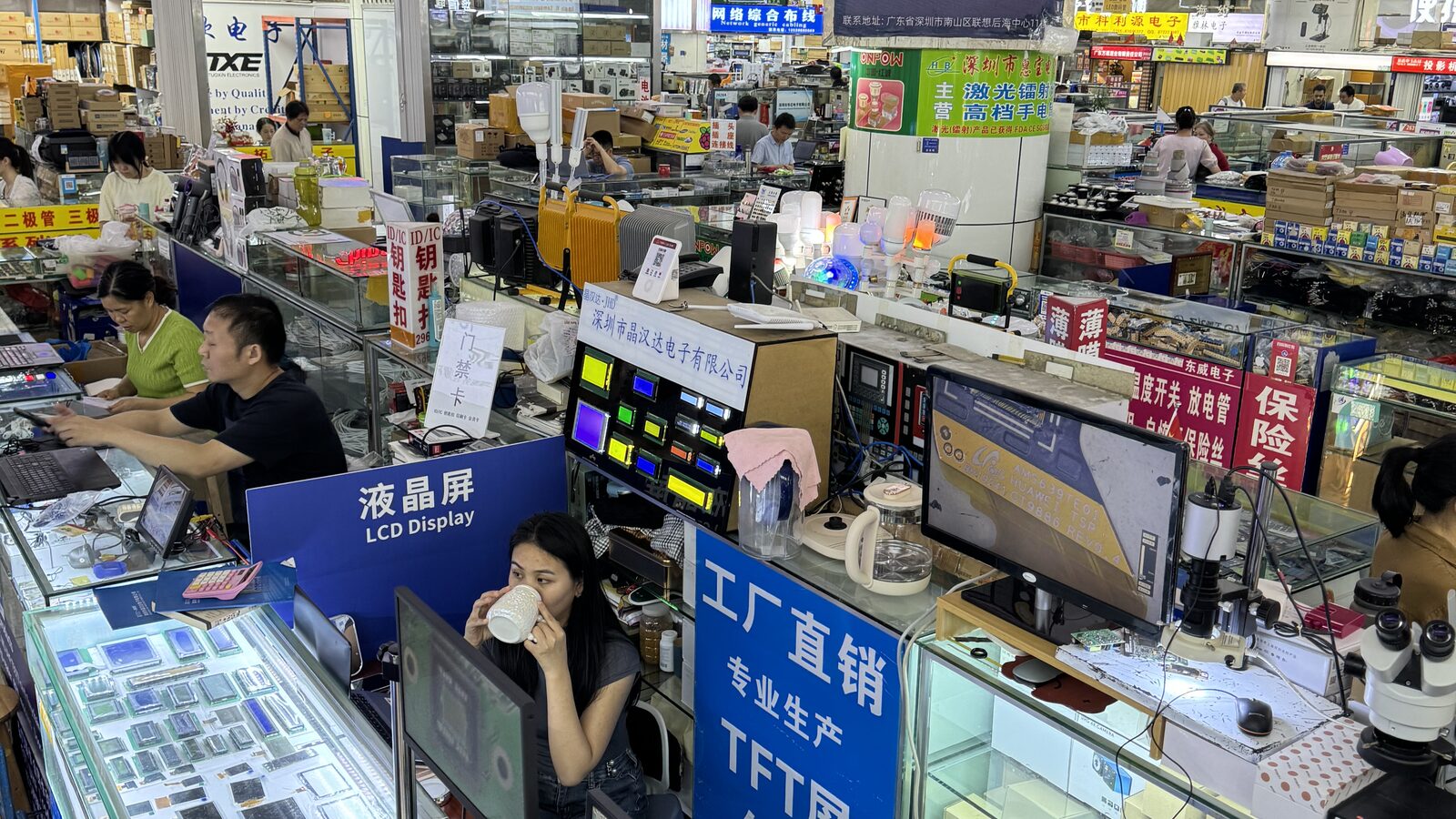
Most suppliers online are not factories.
A large share of listings on B2B marketplaces are trading companies presenting someone else's catalogue. You pay a hidden margin to an intermediary who cannot fix a production problem. We verify who is real, on the ground and in Chinese official registries, and deliver a shortlist in 20 business days.
No cost, no commitment. A 20-minute call to scope what you need.
How we verify
Two layers, and the second is the one that matters.
- Official registriesLegal entity, registered capital, business scope and status in Chinese official records. A trading company registered for wholesale does not have manufacturing in its business scope, and that alone settles many questions.
- On-site visitOur own team, based in China, walks the plant. Production lines, equipment, quality systems, and whether the factory actually makes what the catalogue shows. A reseller does not survive this layer.
- Commercial qualificationMinimum order quantity, lead time, capacity for your volume, and willingness to work with a third-party inspector. A capable factory that will not accept inspection is not a shortlist candidate.
- Shortlist and comparisonNot a list of names. A comparison you can act on, with what each supplier is good at and where each one is a risk.
The core question
How do you tell a real factory from a trading company?
You cannot, from the outside. Both have a catalogue, both have photographs of a production line, and both will tell you the plant is theirs. The difference only becomes visible in two places: the business scope on the company's official registration, and the plant itself.\n\nIt matters commercially, not philosophically. An intermediary adds a margin you cannot see, but the real cost is control. When there is a quality problem, a defect on the line or a delay, a trading company can only relay your message to a factory that has no contract with you and no reason to prioritise your order. You are negotiating through someone with no authority over the outcome.
How it works
Three steps, and a 20-day clock.
- 1
Define the product
Technical specification, target price, volume and destination. The more precise this is, the sharper the shortlist.
- 2
We search and qualify
Structured search across manufacturers, not a marketplace query. Then registry checks and visits on the candidates that survive.
- 3
You get a shortlist in 20 business days
Verified suppliers, compared, with the findings that would have taken you three trips to gather.
How is this different from searching Alibaba ourselves?
A marketplace tells you who paid to be visible. It does not tell you who owns a production line. We are an official Alibaba partner and use the platform as one input, but the qualification is done through official registries and physical visits, which is the part a search cannot do.
What is the 83% success rate?
The share of our procurement projects that reach a supplier the client actually places an order with. We publish it because the honest number is not 100%: sometimes the product cannot be made at the target price, and finding that out in 20 business days is itself a useful outcome.
Do you take a commission from the factory?
No. We are paid by the client, on a fee agreed in advance. Taking a margin from the supplier would put us on the wrong side of every negotiation, and you would never be able to tell whether the shortlist was built for you or for us.
What if you cannot find a suitable supplier?
You get the report explaining why, which usually means the specification and the target price are not compatible at that volume. That is a real answer, delivered in weeks, and it is cheaper than discovering it after a year of sampling.
Related
Next step
Tell us what you need made.
Twenty minutes to scope the specification and see whether the target price is realistic.
No cost, no commitment. Twenty minutes.