
From Trade Fair to Signed Contract: Closing the Gap With European Exhibitors
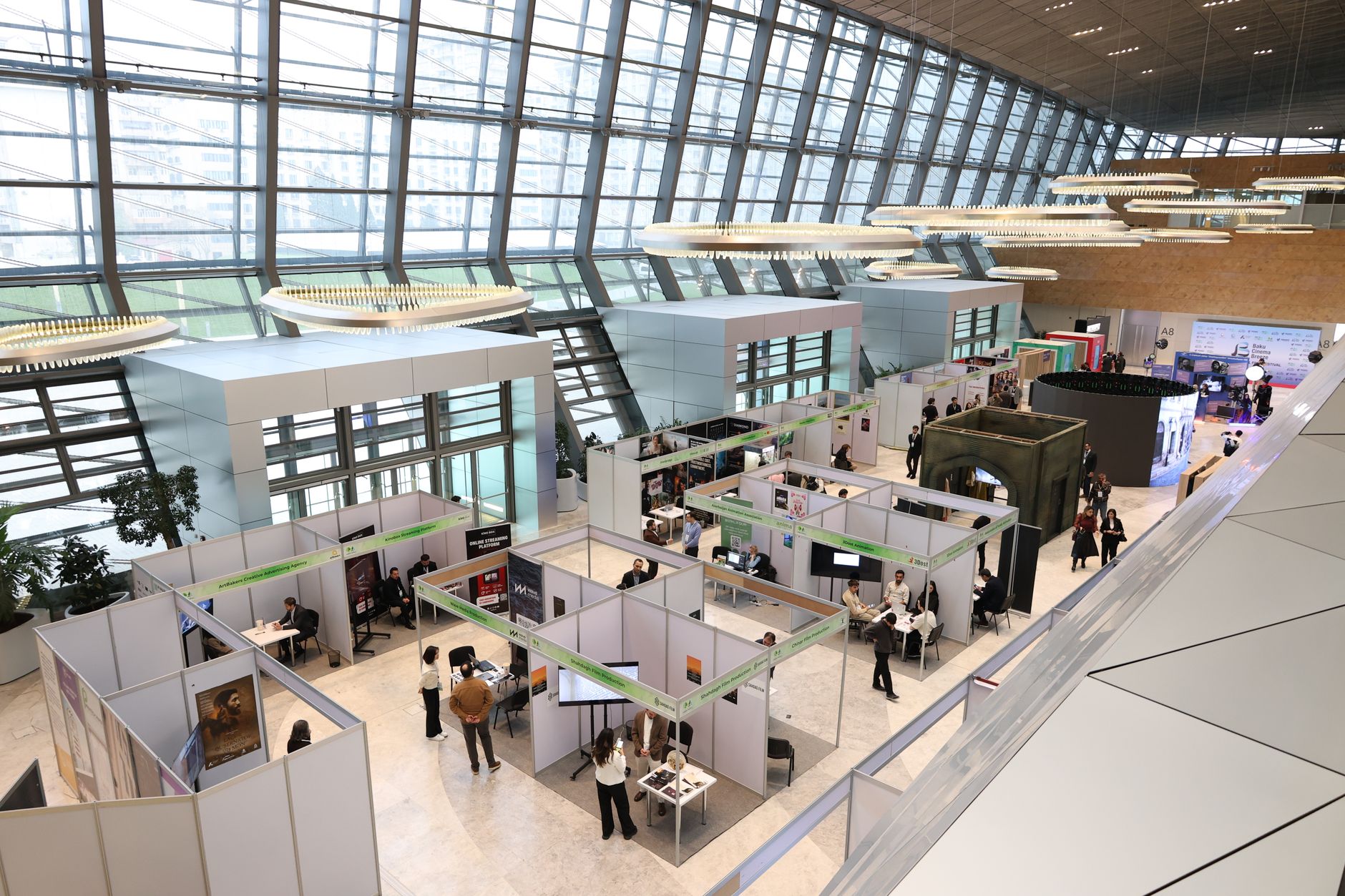
European exhibitors at trade fairs, from Hannover Messe to sector-specific European exhibitions, routinely collect promising contacts from Brazilian visitors, and just as routinely watch most of those contacts go nowhere, not because the interest was insincere, but because the follow-up process after the fair does not address what actually stands between a good conversation and a signed contract.
- A Brazilian visitor’s interest at your last trade fair does not by itself mean they are equipped to import: licensing, landed cost, certification and trust all still have to be resolved.
- Standard post-fair email sequences rarely address any of these, which is why so many strong stand conversations never turn into a purchase order.
- Building a Brazil-specific follow-up step, one that helps the visitor with the actual blockers, converts meaningfully more fair contacts than a generic nurture sequence.
Why fair leads go cold after a strong conversation
A good conversation at a trade fair establishes product fit and personal rapport, both genuinely valuable, but neither addresses whether the Brazilian visitor’s company is licensed to import, can model the true landed cost, or has any way to verify your company beyond the stand itself. Standard follow-up, a thank-you email, a catalogue PDF, a quotation, treats the fair lead like any other international contact, when the Brazilian side of the deal has a distinct and largely invisible set of requirements that a generic sequence never surfaces.
What the Brazilian visitor actually needs next
The visitor who walked away impressed at the fair typically needs, in roughly this order, a landed cost model specific to their Brazilian state and product classification, confirmation of their own import licensing status, clarity on any certification requirement under INMETRO, ANATEL or ANVISA, and enough confidence in the exhibitor to commit funds before ever seeing the goods again. None of this is something a booth conversation or a standard follow-up email resolves.
Stalled deals
Send us the buyer who never came back.
They liked the product, asked for a quotation, then went quiet. It is almost never the price: it is whether they can legally and predictably receive the goods.
No cost, no commitment.
A composite example: from stand to signed order
A European industrial equipment manufacturer we worked with had, over several years of exhibiting at European trade fairs, accumulated a list of Brazilian contacts who had shown real interest on the stand and then never converted. When we reviewed the list with them, the pattern was consistent: every one of the stalled contacts had gone quiet at the point where licensing, tax, or certification questions would normally surface, not at the point where product fit was in question. Once those specific blockers were diagnosed and addressed for each buyer individually, several of the previously dead contacts moved to a signed order within weeks.
“The contacts were not lost interest. They were unresolved paperwork wearing the disguise of lost interest.”
Guelcos, reviewing a European exhibitor’s stalled fair pipeline
Building a closing process into your fair follow-up
Exhibitors who convert meaningfully more Brazilian fair contacts tend to build a distinct follow-up step for that segment, one that offers to help the visitor with the Brazilian-specific mechanics of the purchase rather than simply sending a quote and waiting. That does not mean the exhibitor has to become an expert in Brazilian customs; it means routing the Brazil-specific blockers to someone who already is, before the contact goes cold in the standard sales cadence.
How do you turn your next trade fair into more signed contracts?
Start before the fair itself, by preparing a short, honest answer to the questions Brazilian visitors are most likely to raise about importing: whether your product typically requires certification in Brazil, what the general shape of the landed cost looks like, and what support exists for a first-time buyer navigating the process. You do not need precise figures on the stand; you need to be able to say, credibly, that you understand these are real steps and that help is available, rather than treating the question as outside your expertise entirely.
During follow-up, separate Brazilian contacts from the general post-fair list and route them through a distinct sequence, one that addresses licensing, landed cost and certification proactively rather than waiting for the buyer to raise them. This does not require the exhibitor to become a Brazil specialist; it requires recognising that these contacts need a different kind of support than a European or North American lead does, and having a partner ready to provide it.
After the fair, review not just the leads collected but the ones from previous fairs that never converted. As the composite example above shows, a list of seemingly dead Brazilian contacts often contains deals that stalled on a specific, fixable blocker rather than genuine lost interest, and revisiting that list with the right diagnostic lens can produce signed contracts from conversations an exhibitor had already written off. Guelcos has taken more than 1,000 Brazilian buyers to trade fairs in China and applies the same diagnostic to European fair contacts through trade fair missions and the buyer unlock process.
Frequently Asked Questions
Why does a strong trade fair conversation so often fail to convert with Brazilian visitors?
Most commonly because the follow-up process addresses product and price, but not the Brazilian-side requirements, import licensing, landed cost, certification and trust, that actually decide whether the buyer can place the order.
Should we treat Brazilian fair leads differently from other international contacts?
It is worth considering. Brazil’s import licensing and tax structure are specific enough that a generic international follow-up sequence often misses the actual blocker for these contacts.
Can old, seemingly dead fair contacts still be revived?
Often, yes. In our experience, contacts that went cold after a fair are frequently stuck on a specific, fixable blocker rather than genuinely uninterested, which is why reviewing an old list can surface real opportunities.
Do you work directly with our sales team on fair follow-up, or only with the Brazilian buyer?
Both, depending on what is useful. We can review a list of stalled fair contacts with your team, and we also work directly with the Brazilian buyer once a specific deal is identified.
Leave a Reply