
Why European Manufacturers Are Eyeing Brazil Amid EU-Mercosur Talks
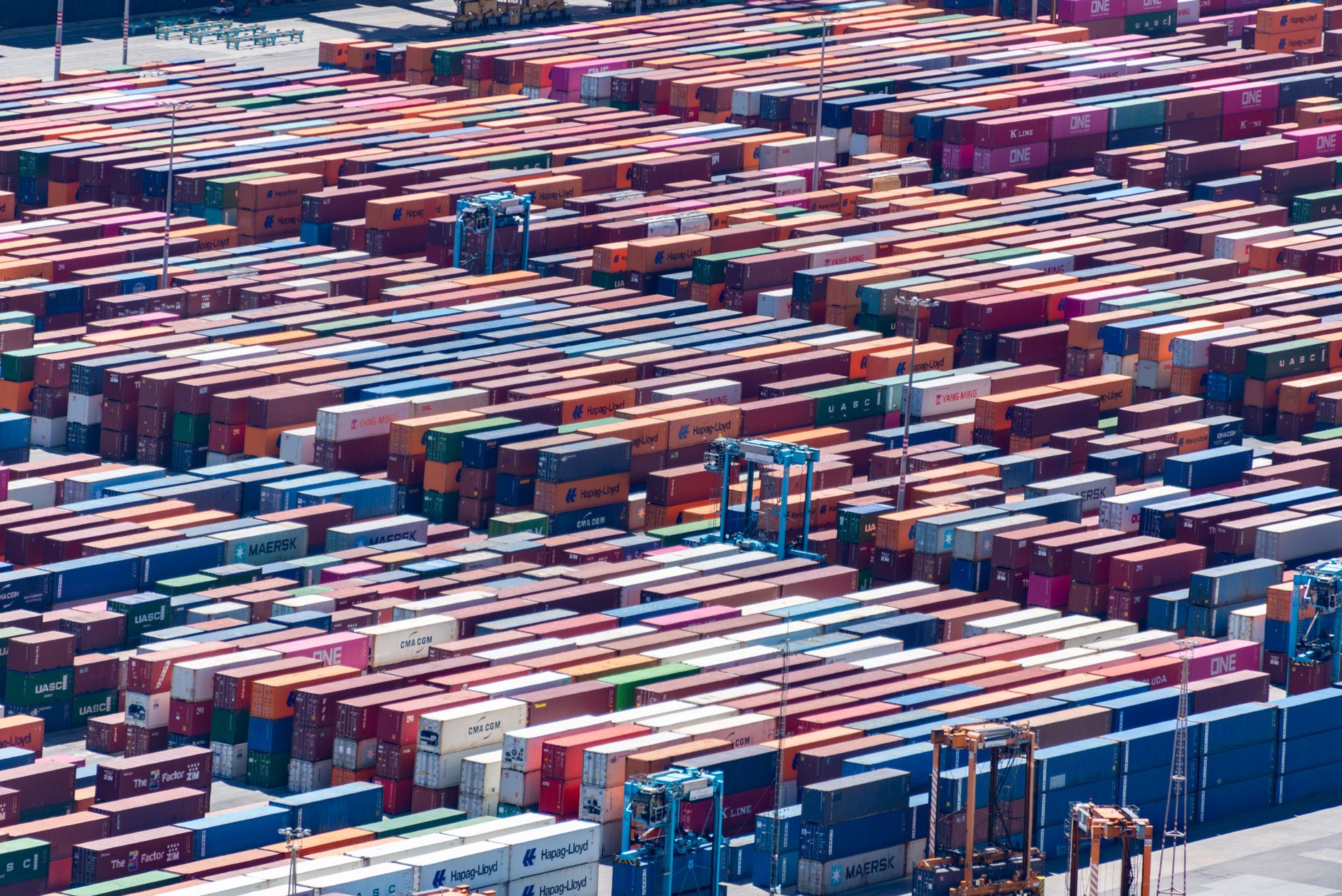
European manufacturers are paying closer attention to Brazil because the EU-Mercosur association agreement, concluded politically in December 2024 and now moving through ratification, is set to phase out tariffs on a large share of industrial goods traded between the two blocs. That lowers the cost side of entering Brazil, but it does not remove the customs, tax and licensing steps a European exporter and its Brazilian buyer still have to clear.
- The EU-Mercosur agreement gradually removes tariffs on most industrial goods traded between the EU and Mercosur, Brazil included.
- Ratification is still working through EU member states and the European Parliament as of 2026, so the practical timeline for your product category is not fixed yet.
- Lower tariffs do not touch Brazil’s domestic import bureaucracy: import licensing, local taxes and product certification stay exactly as demanding as before.
- The manufacturers moving fastest are the ones preparing the Brazilian side of the deal now, instead of waiting for the agreement to be fully in force.
What the EU-Mercosur agreement actually changes
The agreement is a tariff and trade-rules deal between the European Union and Mercosur (Brazil, Argentina, Paraguay and Uruguay). Once ratified and phased in, it reduces or eliminates import duties on a large share of industrial and manufactured goods moving in both directions, with staggered timelines depending on the product category. For a European manufacturer of machinery, components, chemicals, or consumer goods, the direct effect is a lower Import Duty (II) line on the Brazilian landed cost calculation, phased in over a transition period rather than overnight.
It also introduces mutual recognition mechanisms in some regulated areas and commitments on reducing non-tariff barriers over time. Those commitments are meaningful for future planning, but they are not yet operational rules a customs broker can apply at the port today.
What it does not change
Tariff reduction addresses one line of a much longer list of costs and steps between a European factory and a signed purchase order in Brazil. It does not touch:
- Brazil’s import licensing regime (Radar/Siscomex), which the buyer, not the exporter, must hold and keep active
- Brazil’s domestic tax stack on imports: IPI, PIS/COFINS and the state-level ICMS, which apply regardless of the tariff owed
- Product certification requirements under INMETRO, ANATEL or ANVISA depending on the category, none of which accept a CE mark as a substitute
- Freight, port handling, demurrage and customs brokerage, which are operational costs independent of the trade agreement
A lower duty rate makes a deal more attractive on paper. It does not make the buyer’s side of the operation easier to execute, and that side is usually where a promising conversation stalls. Modelling the full landed cost, not just the tariff line, is what tells a manufacturer whether the deal actually works.
Why European manufacturers are moving now
Manufacturers who wait for full ratification and phase-in before building a Brazil strategy will be competing with companies that used the negotiation period to build buyer relationships, understand the compliance path, and have answers ready when a Brazilian company asks “can you actually deliver this here.” Trade agreements change the economics; they rarely change who wins the first mover advantage in a given sector.
“A European exporter with a compliance-ready answer closes faster than one with a better tariff outlook.”
Guelcos, on what actually moves stalled EU-Brazil conversations
Stalled deals
Send us the buyer who never came back.
They liked the product, asked for a quotation, then went quiet. It is almost never the price: it is whether they can legally and predictably receive the goods.
No cost, no commitment.
Is your Brazilian buyer ready to receive the goods?
This is the question that decides whether a lower tariff turns into a signed order. Many European manufacturers assume that once the commercial terms and the tariff line are favourable, the rest is logistics. In practice, the Brazilian buyer is the one who has to be licensed to import, model the total landed cost including domestic taxes, and clear certification, and a surprising number of otherwise serious buyers are not ready on one of those fronts when the conversation starts.
That gap is not visible from the European side of the table. A buyer who goes quiet after a strong quote is rarely walking away over price; more often they have hit a licensing or tax modelling wall they do not know how to explain to a foreign supplier. Guelcos diagnoses this directly with the buyer, in Portuguese, through the buyer unlock process described below.
Which sectors should watch this most closely?
Not every category stands to gain equally from the agreement, and the manufacturers with the strongest reason to act now are concentrated in a handful of sectors. Machinery and industrial equipment sit near the top of the list, because Brazil imports a meaningful share of its capital goods and any tariff relief compounds against an already sizeable trade flow. Chemicals and specialty inputs are another area to watch, since Brazilian industry depends on imported feedstocks and intermediate chemicals that domestic production does not cover. Automotive components, agricultural machinery parts, and certain categories of processed foods and beverages also appear on most analyses of where the agreement’s tariff schedule bites hardest.
It is worth being precise about what “watching closely” should mean in practice. It does not mean waiting for a final tariff schedule before doing anything. It means using the current window, while ratification and phase-in are still unfolding, to identify which Brazilian buyers in your sector are the most active, understand what has stopped them from ordering from you before, and make sure the non-tariff parts of the deal, licensing, certification, trust, are not the reason a tariff improvement goes unused. A manufacturer that spends 2026 only tracking the ratification calendar, without doing this groundwork, will likely find that competitors who prepared the buyer side are the ones capturing the demand once the tariff schedule actually improves.
There is also a sequencing point worth flagging. Because the agreement phases tariffs in over a transition period rather than all at once, the sectors that see the earliest relief are not necessarily the ones with the largest headline demand. A European manufacturer should check its specific product’s phase-in schedule once it is published, rather than assuming that a sector-wide reputation for “big Brazilian demand” translates into an early tariff advantage. Preparing the buyer side now, including regulatory compliance and full import management, is what turns tariff relief into a signed order once it lands.
Guelcos has spent nearly two decades preparing the Brazilian side of exactly these deals, so European manufacturers do not have to start from zero once the tariff schedule improves.
Message us on WhatsAppFrequently Asked Questions
Is the EU-Mercosur agreement already in force?
Not fully. The political agreement was concluded in December 2024, and as of 2026 it is still moving through the EU ratification process, which involves member states and the European Parliament. Tariff reductions phase in over a transition period once ratification is complete, and the timeline varies by product category.
Does the agreement remove Brazil’s import licensing requirement?
No. Radar/Siscomex, the federal licence a Brazilian company needs to import, is a domestic customs administration matter and sits outside the scope of the trade agreement.
Will my CE marking be accepted in Brazil once the agreement is in force?
The agreement includes commitments to work on regulatory cooperation over time, but as of now Brazilian conformity assessment (INMETRO, ANATEL or ANVISA, depending on the product) is separate from CE marking and is not waived by the trade deal.
Should we wait for full ratification before approaching Brazilian buyers?
Most manufacturers that treat this well do not wait. Building the buyer relationship and understanding the compliance path now means you are ready to move the moment tariffs improve, instead of starting from zero.
Leave a Reply