
Import management
We become the import department your buyer does not have.
Most Brazilian companies that want your product have no import team. They have a purchasing manager, an accountant and a lot of goodwill. We take the entire Brazilian side of the operation, from licensing to delivery, so the order can actually happen. 6,000+ containers handled since 2006.
No cost, no commitment. A 20-minute call to scope the product and the destination.
The situation
What happens when a company imports for the first time?
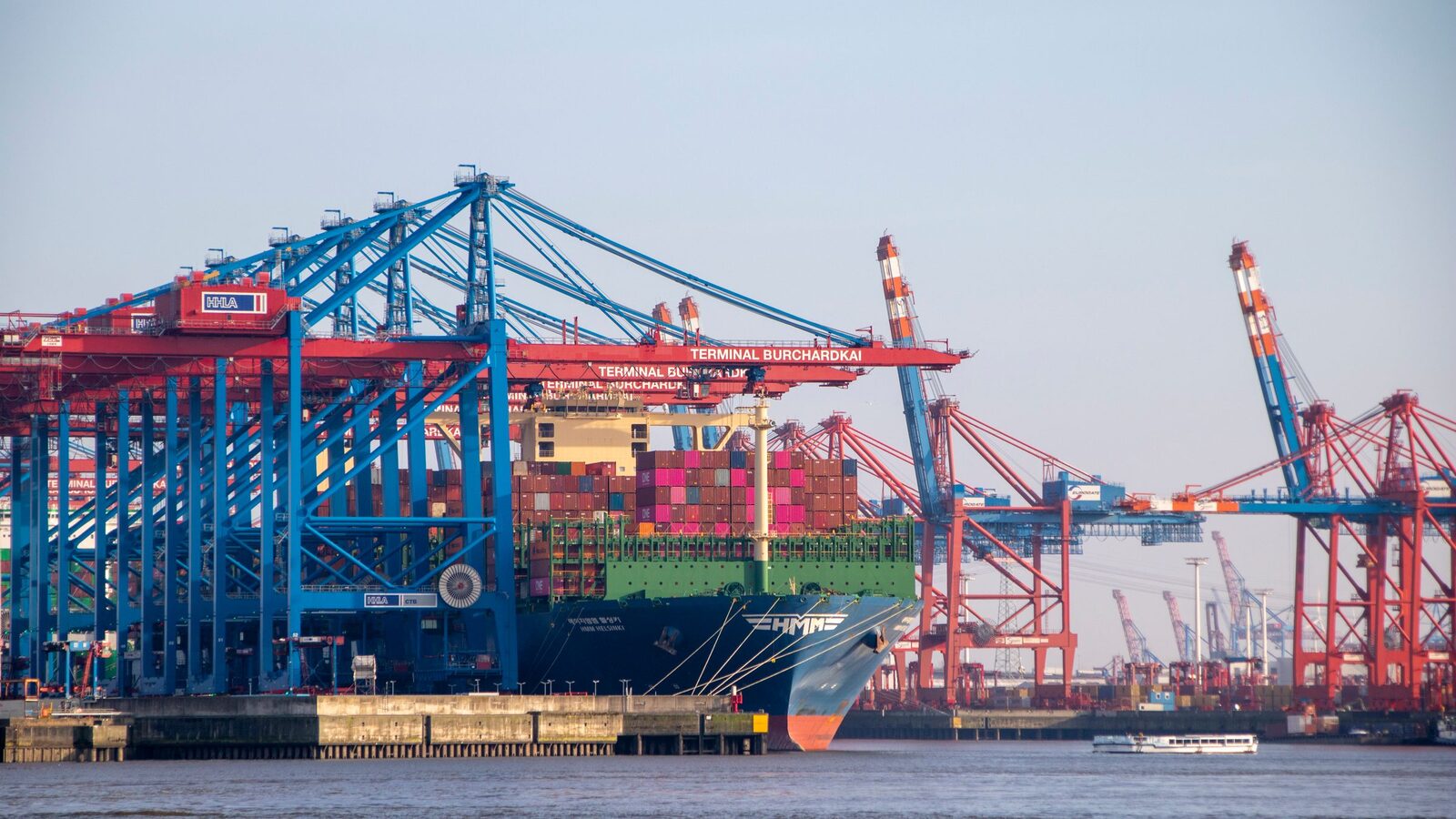
They discover that buying from abroad is not a purchase, it is a regulated process with about a dozen counterparties. A customs broker, a freight forwarder, a bank for the FX contract, an insurer, a port terminal, a carrier, and the federal revenue service asking questions in a language of its own. Every one of them expects the importer to already know how this works.\n\nThe first shipment is where it shows. A wrong Incoterm, a container that sits past free time and starts accruing demurrage, a tax classification that triggers the red channel, a certification that should have been obtained three months earlier. None of these are exotic. They are the normal failure modes of a first import, and any one of them can turn a profitable order into a loss.
What is included
Everything between your loading dock and their warehouse.
- Import licensingRadar/Siscomex authorisation obtained, or the operation run under our own structure while theirs is issued.
- Tax classificationNCM classification and the item description that goes on the declaration. Getting this wrong changes the duty rate and can trigger inspection.
- Landed cost modellingThe full delivered cost by state and tax regime, so the price is agreed on a real number.
- Regulatory certificationINMETRO, ANATEL or ANVISA as required, started before the order rather than after arrival.
- Freight and insuranceFCL or LCL, port selection, cargo insurance, and the free time negotiated up front instead of discovered at the terminal.
- FX and paymentExchange contract, spread negotiated, and the payment terms structured so both sides are covered.
- Customs clearanceDeclaration filed and cleared by our team in Itajaí and Santos, including the response if the cargo is selected for inspection.
- Inland deliveryFrom port to the buyer's warehouse, with the documentation their accountant needs.
How it works
Three steps, and the first one costs nothing.
- 1
Scope the operation
Product, volume, destination state and the buyer's current situation. Twenty minutes is enough to say whether the operation is viable.
- 2
Model it before anyone commits
Landed cost, regulatory requirements and timeline, so the commercial terms are negotiated against real numbers.
- 3
We run it
One team, one point of contact, from your loading dock to their warehouse. You deal with us; we deal with the other eleven counterparties.
Who this is for
Two situations where this is the answer.
Your Brazilian buyer wants the product and cannot import it. They are not licensed, or they are licensed and have never actually run an operation. We become their import department and the order proceeds.\n\nOr you are entering Brazil without a buyer yet, and need to understand what selling here actually involves before committing to a distributor or a subsidiary. We run the first operations under our structure while the market is tested.
Do you buy the goods and resell them?
No. Guelcos never takes ownership of your product. The commercial relationship stays between you and the Brazilian buyer. We are contracted by the importer to run the import process, on a fee agreed in advance.
What if the buyer has no import licence?
That is the most common case. Radar/Siscomex can be obtained, and we handle that process. If the order cannot wait, we import under our own structure while their authorisation is issued, so the deal does not stall on paperwork.
Which ports do you work through?
Primarily Santos and Itajaí, where we have our own team. Port choice is not a detail: it changes transit time, terminal cost, free time and, because ICMS is a state tax, the tax exposure of the whole operation.
How long does a first import take?
For a product with no special certification, typically 60 to 90 days from order to delivery, most of it ocean transit. If INMETRO, ANATEL or ANVISA certification is required, that process runs in parallel and is usually the longest item, which is why we start it before the order is placed.
Related
Next step
Tell us what you sell and who is buying it.
Twenty minutes is enough for us to say whether the operation is viable, and what the first step would be.
No cost, no commitment. Twenty minutes.