
Inspection
Catch it before the container is sealed.
The golden sample is made by the best operator on the best day. Mass production is a different thing, and the gap usually becomes visible only when the container is opened 12,000 kilometres away. We inspect during manufacturing and again before shipment.
No cost, no commitment. A 20-minute call to scope what you need.
The two moments
Two inspections, because one is too late.
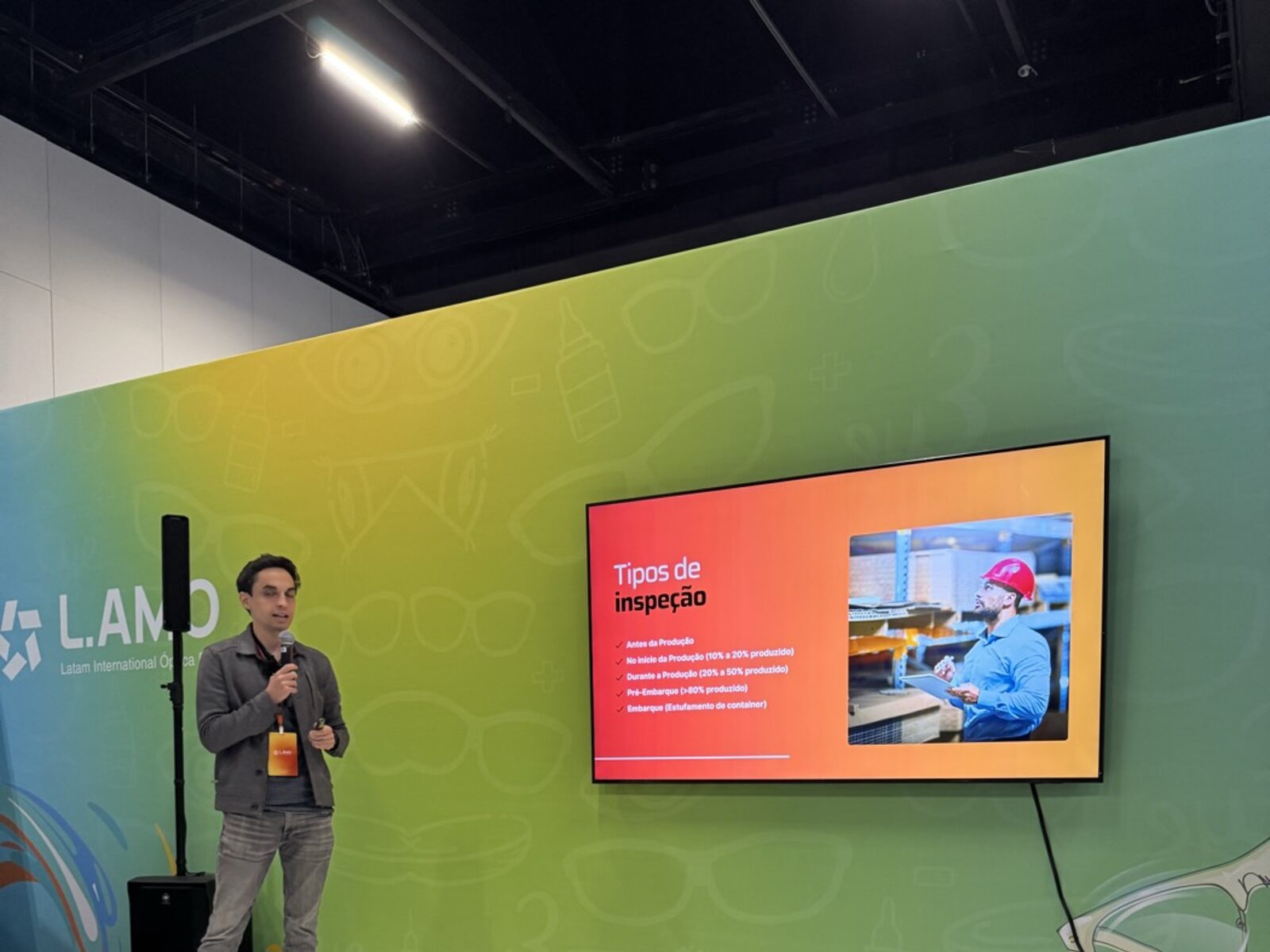
In-process inspection
During manufacturing
Run when roughly 20 to 40 percent of the order is complete. At that point a systematic defect can still be corrected on the line, the tooling can still be adjusted and the schedule can still absorb it. This is the inspection that saves money.
Pre-shipment inspection
Before the container is sealed
Statistical sampling of the finished goods against the agreed specification, plus packaging, labelling, quantity and loading. This is the inspection that prevents a container of unsellable product from crossing an ocean.
Why timing decides the cost
Why is a defect found at the port so much more expensive?
Because at that point every option is bad. Returning the goods costs more than they are worth. Reworking them in Brazil means paying local labour rates to fix a problem created abroad, on cargo that is accruing storage. Selling them discounted destroys the margin the order was built on, and sometimes the brand along with it.\n\nThe same defect found on the production line is a conversation with the plant manager. The cost difference between the two moments is not incremental, it is an order of magnitude, and it is entirely a function of when someone looked.
Can you inspect a supplier we already work with?
Yes, and that is most of this work. You keep the commercial relationship exactly as it is; we add the verification that was missing. Many suppliers welcome it, because a clean inspection report accelerates the buyer's approval.
What happens if the inspection fails?
You get the report before the goods ship, which is the entire point. From there it is a commercial decision: rework, partial acceptance, renegotiation or rejection. What you do not get is the decision being made for you by a container already at sea.
How is the sample size decided?
Statistical sampling against the agreed acceptable quality level, with the sample size set by lot size. The standard is agreed before the inspection, so nobody argues about the methodology after seeing the result.
How much notice do you need?
Typically a few days, depending on plant location. For in-process inspection the timing is driven by production progress, so we coordinate with the factory schedule rather than the calendar.
Related
Next step
Tell us what is in production.
Twenty minutes to scope the inspection and agree the standard it will be measured against.
No cost, no commitment. Twenty minutes.